
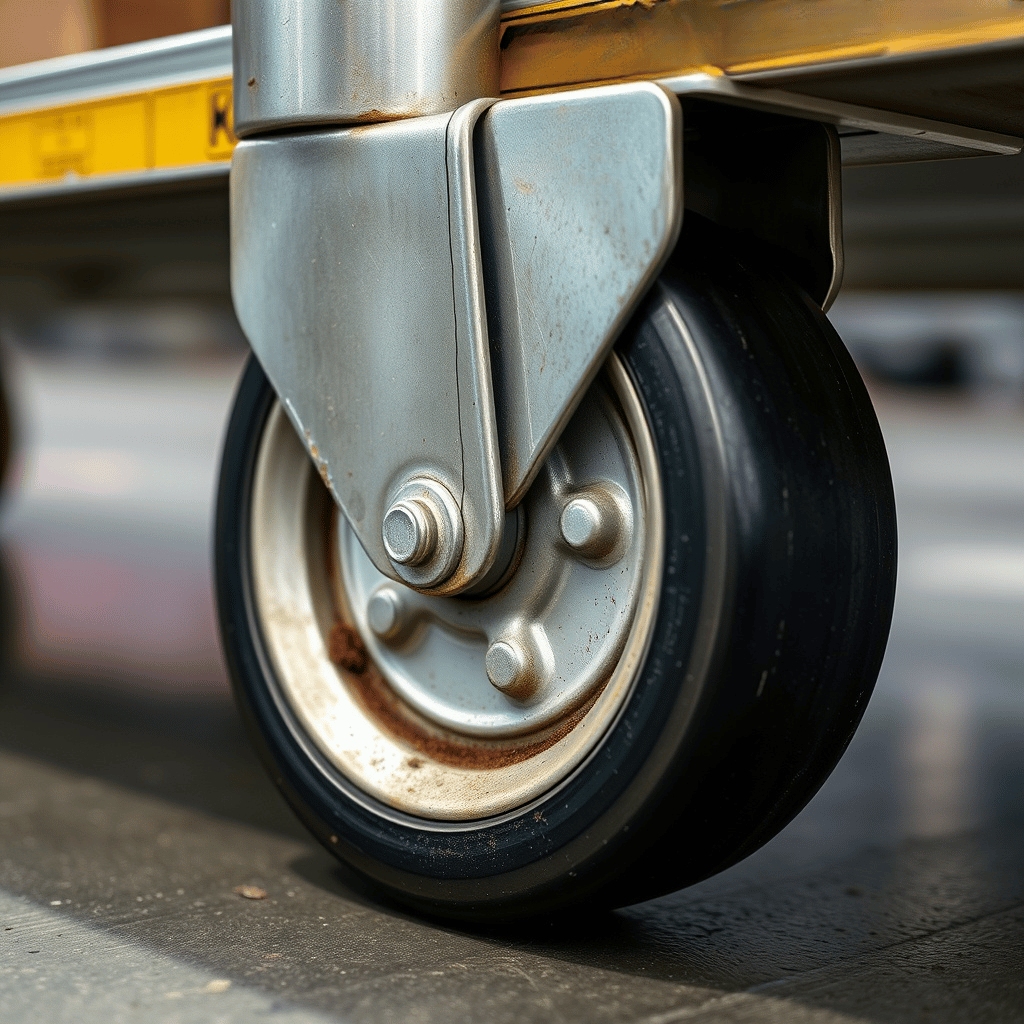
When you think about caster wheels, you might not consider the subtle ways they can develop flat spots. Improper storage practices, excessive weight, and even inactivity can all lead to issues that compromise their performance. You may also want to explore how the materials used in the wheels and the conditions of the surfaces they roll on affect their longevity. Understanding these factors is crucial for maintaining the efficiency of your equipment, but what specific steps can you take to prevent these problems?
Improper Storage Practices
When you store caster wheels improperly, you risk developing flat spots that can hinder their performance. To avoid this, make sure you’re not leaving them under excessive weight or pressure for long periods. Instead, store them in a way that allows them to rest freely without being compressed. Using racks or bins can help keep them organized and off the ground.
Additionally, avoid stacking heavy objects on top of your wheels, as this can lead to uneven wear. Always check the surface where you’re storing them; a hard, uneven surface can contribute to flat spots over time.
Excessive Weight Load
Improper storage can lead to flat spots, but excessive weight load is another major factor that contributes to this issue. When you overload your caster wheels, they’re forced to bear more weight than they’re designed for, which can cause the wheels to deform. This deformation leads to flat spots, making it difficult for the wheels to roll smoothly.
You might notice this problem more frequently in industrial settings where heavy machinery or equipment rests on casters for extended periods. To avoid this, always check the weight capacity of your caster wheels and ensure you’re not exceeding that limit. Regularly rotating or redistributing the weight can also help maintain the integrity of your wheels, prolonging their lifespan and performance.
Inactivity and Time
Inactivity can lead to significant issues for caster wheels, particularly when they’re left stationary for extended periods. When your wheels sit idle, the weight they bear creates pressure points that can flatten the surface. Over time, this pressure can result in noticeable flat spots, making your wheels less effective and harder to roll. If you don’t move your equipment regularly, you risk permanent damage to the wheels.
It’s essential to rotate or reposition items that use caster wheels to prevent these issues. By ensuring regular movement, you can maintain the shape and functionality of your wheels. So, don’t let inactivity take a toll—keep your caster wheels rolling to avoid flat spots and ensure optimal performance.
Wheel Material Quality
The quality of wheel material plays a crucial role in the performance and longevity of caster wheels. When you choose wheels made from high-quality materials, you reduce the risk of developing flat spots. Premium materials, such as polyurethane or rubber, offer better resilience and flexibility, allowing the wheel to maintain its shape under pressure.
Conversely, low-quality materials can compress or deform easily, leading to flat spots over time. You’ll also notice that better materials can withstand wear and tear, extending the life of your wheels. Investing in high-quality caster wheels isn’t just about performance; it’s about ensuring reliability and reducing maintenance costs. So, when selecting wheels, prioritize material quality for optimal results.
Surface Conditions and Environment
When caster wheels roll over uneven or abrasive surfaces, they’re more likely to develop flat spots. You mightn’t notice it at first, but constant exposure to rough terrain can wear down the wheel material unevenly. This uneven wear leads to those frustrating flat spots that affect maneuverability.
If you regularly use your wheels on concrete, gravel, or other harsh surfaces, consider switching to wheels designed for those conditions. Additionally, environmental factors like temperature can play a role; extreme heat can soften the rubber, while cold can make it brittle.
Frequently Asked Questions
Can Flat Spots Affect the Overall Performance of My Equipment?
Yes, flat spots can significantly affect your equipment’s overall performance. They can cause uneven movement, increased wear on components, and potential safety hazards. Regular maintenance and timely replacements can help you avoid these issues.
How Can I Prevent Flat Spots From Forming on My Wheels?
To prevent flat spots on your wheels, regularly rotate them, avoid prolonged stationary positioning, and ensure proper weight distribution.
Additionally, consider using wheels designed to withstand pressure and store equipment in a climate-controlled environment.
Are Flat Spots Repairable or Do I Need to Replace the Wheels?
Flat spots are often repairable, depending on the severity. You can try sanding them down or using a heat method to restore shape. If they’re too damaged, replacing the wheels might be your best option.
What Signs Indicate That My Caster Wheels Are Developing Flat Spots?
You’ll notice signs like uneven wear, a bumpy ride, or difficulty rolling. If your wheels start making unusual noises or feel less stable, they might be developing flat spots that need attention soon.
Do Different Wheel Designs Influence the Likelihood of Flat Spots?
Yes, different wheel designs can influence the likelihood of flat spots.
Softer compounds and larger diameters often reduce wear, while harder materials and smaller sizes may increase the risk.
Choose your wheels wisely to minimize issues.
Conclusion
In conclusion, to prevent flat spots in your caster wheels, pay attention to how you store them and avoid stacking heavy items on top. Keep an eye on the weight load and make sure you’re not overloading them. Regular movement can also help, as inactivity leads to pressure points. Invest in high-quality wheel materials and be mindful of surface conditions. By taking these steps, you’ll ensure your caster wheels remain in good shape for longer.