
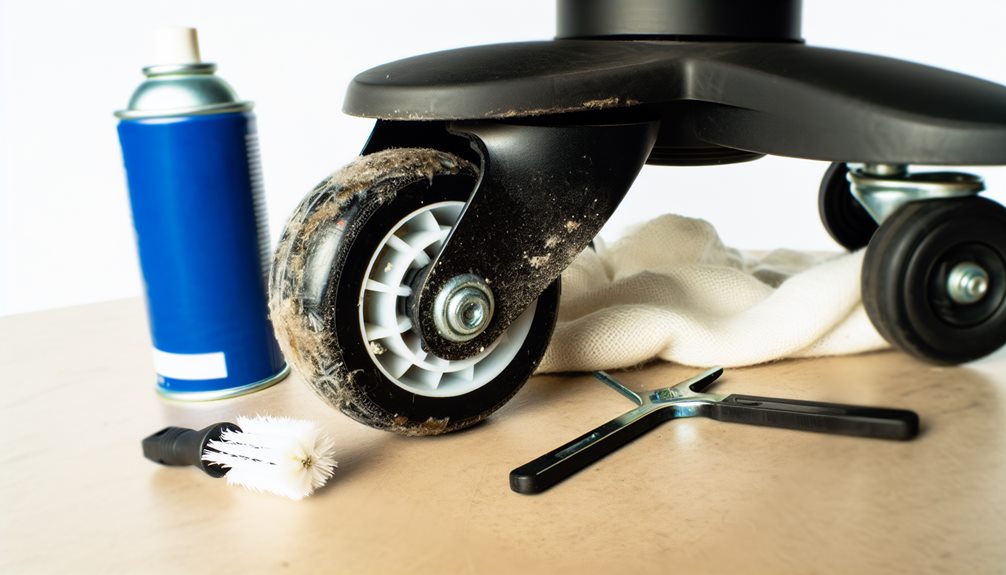
Caster Maintenance isn’t just advisable; it’s essential. You’ve likely noticed how smooth and effortless movement can be when your wheels are in top condition. To keep them rolling right, you’ll need to oil them every six months and check the fasteners monthly. But there’s more to it than just oil and inspections. What specific type of lubricant should you use, and what are the subtle signs that your wheels need more than just a routine check? Let’s explore how these seemingly small adjustments can drastically improve performance and extend the life of your casters.
Key Takeaways
- Lubricate caster wheels every six months to ensure smooth operation.
- Inspect and clean wheels and axles regularly to remove debris.
- Check and replace worn or damaged wheel treads promptly.
- Tighten all nuts, bolts, and fittings to maintain wheel stability.
Regular Lubrication Schedule
To promote smooth operation and prolong the lifespan of your caster wheels, it is important to lubricate them every six months. This routine of regular lubrication is essential not only for ensuring optimal performance but also for sustaining durable and reliable equipment.
Here’s how you can effectively lubricate caster wheels:
First, clean the wheel and axle to remove any debris or buildup that might impede the lubrication process. Use a cloth or brush for cleaning, ensuring you reach all nooks where grime could hide.
Once cleaned, apply a high-quality lubricant specifically designed for caster wheels. It’s important to choose the right type of lubricant, as some may degrade the wheel material or fail under high pressure or temperature.
Remember, if your wheels are frequently exposed to moisture or corrosive materials, consider increasing the lubrication frequency. This proactive approach not only extends the life of the casters but also prevents the frustration of unexpected breakdowns. Check for signs of excessive wear or damage during each lubrication session.
Selecting Proper Lubricants
When selecting suitable lubricants for caster wheel maintenance, choosing high-quality, versatile grease is vital to ensure smooth operation. The correct lubricant not only guarantees the longevity of your caster components but also enhances their performance under various conditions. Here are some key considerations:
- Silicone-based lubricants are great as they help repel dirt and debris.
- Lithium grease is great for heavy-duty or industrial applications.
- If you are working in high heat environments using a graphite lubricant would be best.
Application Techniques
Applying high-quality grease to caster wheel bearings is essential for efficiency and longevity. Start by locating casters with zerk fittings for easy lubrication. Use a grease gun to apply lubricant to critical areas, like the wheel hub and swivel bearings, ensuring adequate but not excessive lubrication. The frequency of greasing depends on the demands of your application. Regular maintenance significantly enhances a caster’s smooth operation and reduces wear. After exposure to harsh conditions or washing, prompt lubrication is crucial to counteract corrosion and protect your wheels. Consistent upkeep is vital for extending equipment life.
Regular Caster Maintenance Fastener Inspection Guidelines
Every month, you should examine the nuts, bolts, and fittings that secure your caster wheels. This regular fastener inspection is pivotal to ensuring the ongoing stability and safety of your equipment. When inspecting the fasteners, look for any signs of wear, bending, or misalignment that could compromise the caster’s performance.
Replace damaged fasteners immediately. It’s not just a preventative measure; it’s essential maintenance that keeps you and your equipment safe. Make sure to select the correct replacements that match the specifications of your original components to maintain uniformity and functionality.
Here’s a quick reference table to guide your inspection:
| Check for | Action | Frequency |
|---|---|---|
| Wear | Replace if significant | Monthly |
| Bending | Replace immediately | During inspection |
| Misalignment | Adjust or replace | As needed |
Caster Wheel Integrity Checks
After ensuring the stability of your caster wheels through fastener inspection, it’s equally important to examine the wheels themselves for any signs of physical damage. Maintaining caster wheels isn’t just about regular checks; it’s about ensuring each part of your equipment is in top shape, fostering a sense of reliability and community among users who count on their gear performing flawlessly.
Once fastener inspection confirms the stability of your caster wheels, it is crucial to thoroughly assess the wheels themselves for any indications of physical harm. The maintenance of caster wheels extends beyond routine inspections; it involves guaranteeing that every component of your equipment is in optimal condition, promoting reliability and a sense of unity among users who rely on their equipment to function seamlessly.
Start by closely inspecting the wheel treads. Look for any evident wear, such as flat spots or uneven surfaces, which can indicate heavy or abnormal use. These defects can impair mobility and lead to more significant equipment failures if not addressed.
Next, examine the caster’s overall construction. Check the Fasteners again if you haven’t just to be sure, and look for any cracks, breaks, or deformities in the wheels. These structural issues aren’t just minor inconveniences; they can compromise the integrity of your entire setup.
Detailed Maintenance Procedures
How often do you check the intricacies of your caster wheels? Regular maintenance and timely repairs are crucial for ensuring your casters perform optimally. Let’s delve into the detailed maintenance procedures that keep your wheels rolling smoothly.
Here’s what you need to do:
- Monthly Examination: Dedicate time each month to inspect the treads and overall construction of each caster. Look for any signs of damage or unusual wear. This step helps you catch issues before they become costly problems.
- Cleaning and Upkeeping Caster: Regularly cleanse the wheels and their attachments. Remove debris and build-up that can affect movement. This not only preserves the wheel but also enhances its performance.
- Replace a Damaged Wheel: Don’t hesitate to substitute wheels that show significant damage. Using damaged wheels can lead to further harm to the caster system and potentially unsafe conditions.
- Assess for Longevity: Always evaluate how the maintenance is impacting the lifespan of your casters. The goal is to maximize their longevity through meticulous care.
Adhering to these steps guarantees you’re using the best caster solutions and preserving them to their fullest potential. Remember, a little care goes a long way!
Safety and Cost Benefits
By performing regular maintenance on caster wheels, you not only prolong their operational life but also reduce costs associated with replacements and repairs. Regular checks and upkeep of your casters ensure they function effectively, saving you from unexpected expenses and operational disruptions. Make sure to inspect the wheels for any signs of wear or damage and address these issues promptly to maintain stability and reliability in your equipment.
Properly maintained caster wheels also contribute significantly to safety in your workspace. Faulty or worn-out casters can lead to accidents, such as carts tipping over or sudden stops that cause spills. By keeping your casters in top condition, you reduce the risk of workplace injuries, ensuring a safer environment for everyone. This not only protects your team but also minimizes the likelihood of costly litigation or workers’ compensation claims related to equipment failures.
Furthermore, smoothly operating casters enhance overall workplace efficiency. When your wheels roll without interruption, tasks are completed faster and with less effort. This improved performance can lead to better productivity and ultimately, a more cohesive and successful operational flow. Join the community of savvy operators who prioritize caster wheel maintenance for safer, cost-effective, and efficient operations.
Repair and Replacement Tips
If you notice signs of wear or damage during your regular inspections, it’s essential to address these issues promptly to maintain the caster wheels’ functionality. These could include problems such as caster flutter, flat spots, or loose nuts on the caster axel.
- Regular Checks: Check your caster wheels on a regular basis for any signs of wear or damage. Look for flattened, worn-out treads or loose bearings and fasteners, which might compromise stability.
- Stock Up on Replacements: Always have spare wheels and essential parts like bearings and fasteners on hand. This preparation minimizes downtime and demonstrates your dedication to maintaining a smooth operation.
- Choose Quality Products: When replacing any part of your caster wheels, opt for high-quality products that guarantee longer durability and better performance. This not only saves money in the long run but also secures you’re not left stranded with faulty equipment.
- Secure Everything Firmly: After any repair or replacement, make sure all fasteners are tightened properly to avoid wobbly wheels. This step is vital in preventing further damage and maintaining the integrity of your caster wheels.
Conclusion
To sum up, carefully maintaining your caster wheels not only guarantees smoother operations but also greatly reduces costs. Indeed, regular upkeep can decrease replacement expenses by up to 50%. By adhering to a strict lubrication schedule and performing monthly fastener inspections, you’re preparing your wheels for long-lasting use. Remember, proactive maintenance, like regular cleaning and using the appropriate grease, is essential. So, keep your casters rolling efficiently and your operations seamless by following these detailed caster maintenance steps